
From Parties to Pairings: How Gen Z is Redefining Wine Culture

By Ava Stepanian
What Gen Z is Craving
Not long ago, the quintessential drink for young adults was an espresso martini or spicy margarita. On weekends, most young people went out to bars or clubs, dancing until closing time with a mixed drink in hand.
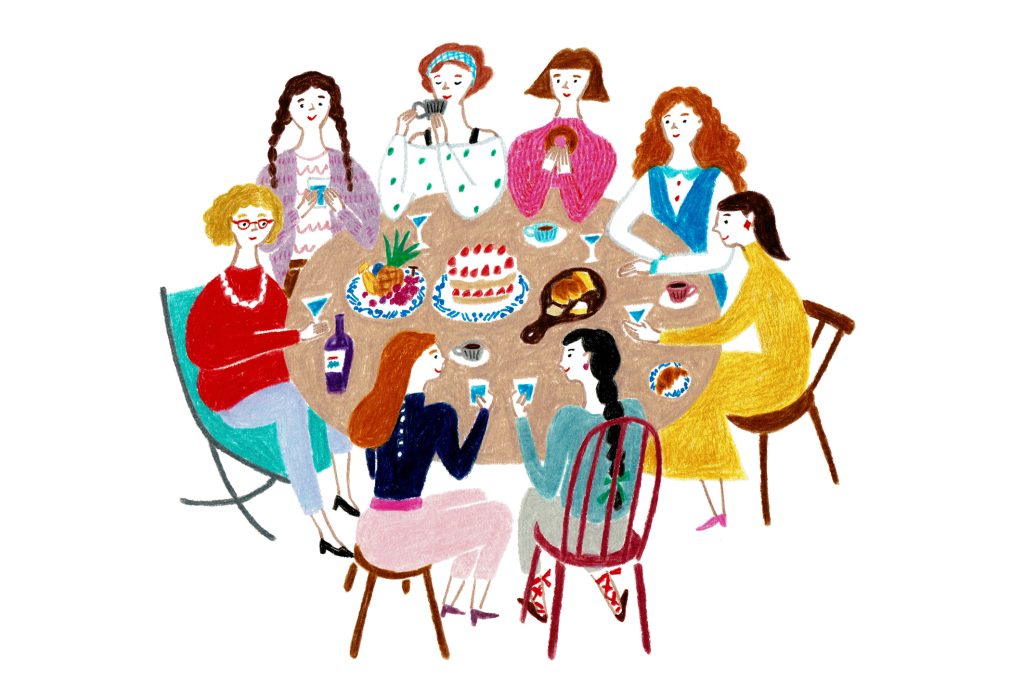
Today, due largely to rising costs and a growing desire for meaningful social connections, young adults are ditching the clubs (at least some of the time), and instead hosting intimate, at-home gatherings with close friends and a bottle of wine. While 15% of people in their twenties still report partying every weekend, a clear trend is emerging, with much of the younger generation craving more personal and cost-conscious social experiences. Compounded by the rise of digital fatigue, this shift has resulted in wine representing more than just a beverage; it has become associated with a certain lifestyle that much of Gen Z, which includes people born between the years 1996 and 2007, is craving.
The Decline of Party Culture And Rise of Intimate Gatherings at Home
Gen Z has become known as the “dry generation,” with 61% of people globally between ages 18 and 30 reporting that they are going out to bars and clubs less frequently. Financial stress, wellness culture, and mental health awareness have influenced what younger consumers are drinking and how they are consuming. When Gen Z does choose to drink, there is often an emphasis placed on prioritizing cost, moderation, and mindfulness.
According to WellPower, there are plenty of reasons why Gen Z doesn’t feel fulfilled by clubbing culture, unlike their older counterparts. With the cost of living rising faster than wages, many people in their twenties are skipping clubs to avoid the financial hangover that often comes with a night out. Between cover charges, drinks, and rideshare fees, the average person spends between $55 and $120 on a night out at a high-end club. Hosting friends at home offers a more affordable way to socialize without sacrificing the experience. TimeOut shared one 22-year-old’s story, who was quoted as saying, “I […] cannot afford to be a party girl right now.”
Emphasizing mental and financial wellbeing, there is a desire among younger consumers for:
- Low cost social activities
- Quieter, more conversational environments
- Curated experiences
- Social settings focused on connection
Gen Z craves a sense of community and searches for events and settings where they can have more intimate experiences. For a generation constantly overwhelmed by endless streams of information and digital stimulation, these meaningful and mindful experiences are exactly what many Gen Z-ers are seeking. The appeal of wine often lies in the social experience it creates for younger consumers, rather than the alcohol content. A bottle of wine shared with friends at happy hour or at home creates an intentional experience.
How Social Media is Inspiring At-Home Wine Tastings
Young adults are increasingly choosing to socialize at home rather than spend money on expensive nights out. As a result, wine has become a centerpiece for hosting at home gatherings, offering an affordable way to elevate the experience and bring people together without elevating the price. These trends reflect a broader shift in how younger consumers are approaching wine, a shift that is amplified through social media, with at-home gatherings becoming a major source of inspiration for Gen Z.
On platforms such as TikTok and Instagram, wine content increasingly focuses on shared experiences, group gatherings, and community-driven recommendations rather than traditional tasting rules. Viral videos such as at-home wine tastings, wine-centered dinner parties, and aesthetic lifestyle videos showcasing wine have gained significant traction across social media. Content creators are helping reshape wine culture by presenting wine as an accessible, social beverage, encouraging young consumers to focus less on etiquette and more on enjoyment and connection.
These platforms have also become hubs for experimentation, with Gen Z users creating wine cocktails and sharing unexpected food pairings. Rather than focusing on formal etiquette or individual preferences, young adults are using wine as a social experience that brings people together. According to a Food & Wine article, Lois Cho notes that “[Gen Z] ask which bottles work across a whole table rather than for a single pairing,” highlighting the generation’s preference for connection, inclusivity, and shared enjoyment. As this sentiment spreads across social media content, wine culture is evolving to become more accessible, social, and centered on shared experiences.
Ultimately, wine’s rise among Gen Z is about more than just a beverage preference. It reflects a cultural shift toward quality over quantity, intentionality over excess, and purposeful experiences. As this generation continues to redefine food and beverage culture, wine has emerged at the center as a symbol of a more thoughtful and connected way of gathering.